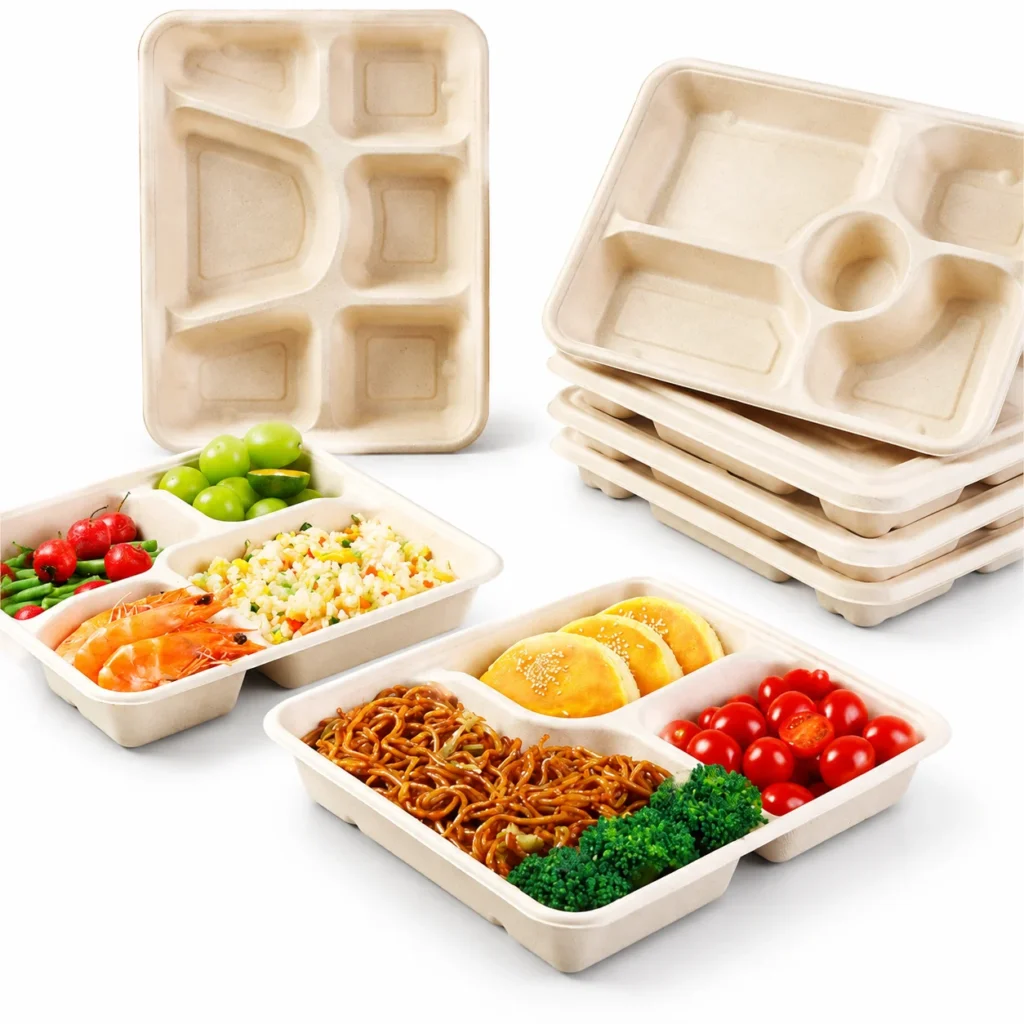
A restaurant-group catalog should be more than a gallery of product photographs. Its purpose is to reduce variation across locations: the right pack reaches the right menu item, staff can reorder by a stable reference, and compliance or quality teams can find the supporting file without reconstructing the decision each time.
Organize by service job
Begin with the jobs the packaging must do: dine-in plating, grab-and-go pastry, burger service, soup delivery, divided meals and catered portions. For each job, select one or two approved configurations rather than creating a long list of near-duplicates that locations cannot distinguish.
Give each approved item a complete record
The catalog entry should state the internal reference, supplier SKU, drawing or version, nominal format, approved base and lid pairing, case pack, storage note, menu use and sample-approval date. Add the destination-market document references where the group needs them. This turns a procurement list into a usable operating standard.
Build a controlled sample library
Keep a physical or photographed reference sample for every approved configuration. When a supplier changes a mold, lid, carton or material, compare the proposed substitute with the saved reference and repeat the appropriate food and transport trial. This simple change-control step prevents an unannounced component change from reaching dozens of locations.
Separate core standards from local options
Some markets may have a different waste route, menu mix or import requirement. Record those as local exceptions rather than changing the global entry without explanation. The group can then maintain a consistent core catalog while making only necessary regional adjustments.
Start with the 16-reference catalog, review RFQ planning, and use the documentation checklist for an approved product file.