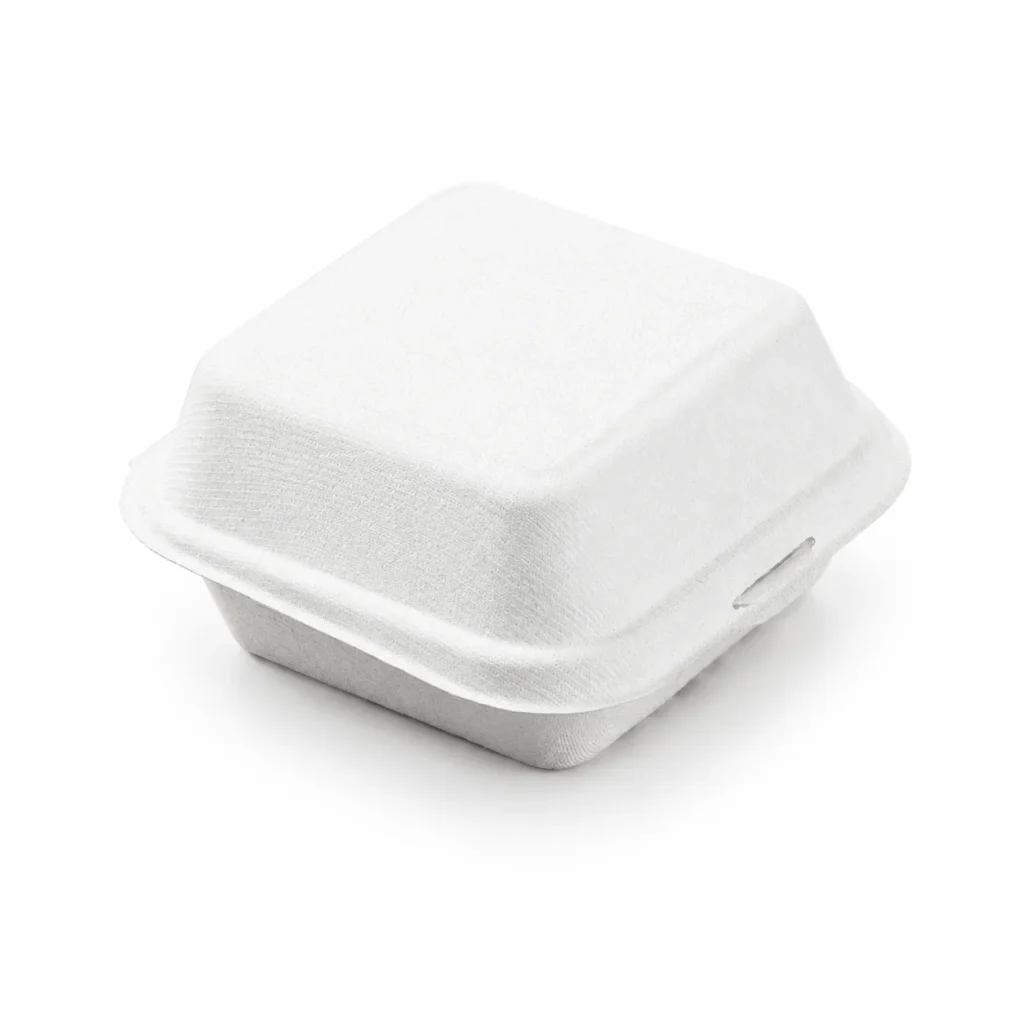
When a restaurant faces a single-use-plastic restriction, it is tempting to replace every affected item with the first alternative that looks compliant. That approach often fails because laws, menu conditions and disposal systems vary. A better approach starts with the exact local rule, then tests the packaging against the food and service model.
Read the rule in its local context
Identify what is restricted, which foodservice settings are covered, whether exemptions exist and what labeling or documentation expectations apply. Do not use a general article about another city or country as the compliance decision for your own outlet. Your local authority, legal adviser or trade association can help confirm the current interpretation.
Match the format to the menu
Hot fried items, oily dishes, chilled desserts and dry bakery goods expose packages differently. Make a matrix of the menu item, portion, hold time, delivery route and secondary packaging. Select candidate plates, bowls or clamshells by their actual configuration, then run a trial with the real meal.
Test “heat resistance” rather than assuming it
Describe the starting temperature, contact time, food type and performance requirement. Look for sagging, softening, staining, lid movement, customer handling and texture change. This produces a useful purchasing record and avoids claiming a universal temperature range where the supplier has not provided product-specific evidence.
Keep disposal language accurate
A compostability claim needs its own review. Commercial compost certification does not automatically mean home compostability, and a local waste operator may not accept a particular item even when a certificate exists. Train staff to use the exact claim approved for the selected product and market.
Start a shortlist in plates and trays, compare takeout containers, and ask for a testable configuration through contact sales.